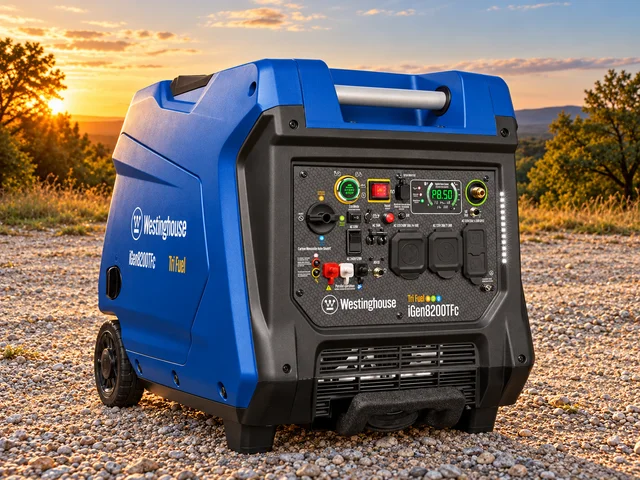
Westinghouse iGen8200TFc Tri Fuel Inverter Generator
- Runs on gasoline, propane, or natural gas
- Electric start with a remote control
- 2 household outlets + RV and 50A 120/240V outlets
- Weighs 134.5 lb.
Find the right generator or battery backup for your home, your essentials, and the outages that last longer than expected.
Different homes need different backup plans. Start with the job you need done.


Compare smaller generators for everyday essentials. Check Amazon for current prices.


Compare continuous output, stored watt-hours and the exact panel bundle. These options have cross-checked core specifications and distinct backup roles.


Know your loads, choose your fuel, and decide how power will reach your appliances before the weather changes.
Build Your Outage Plan →Start with your refrigerator, sump pump, lights, and phone chargers. Check how much power each needs while running and when turning on.
Fuel, oil changes, cooling breaks and a safe outdoor location all belong in the plan.
Use suitable outdoor cords for approved appliances, or have an electrician install a safe house connection. Never send generator power into a wall outlet.
Running watts keep appliances going. Starting watts provide the brief extra power needed when things like refrigerators turn on.
| Generator | Gas running / starting | Propane running | Natural gas running | Type / voltage | Best fit |
|---|---|---|---|---|---|
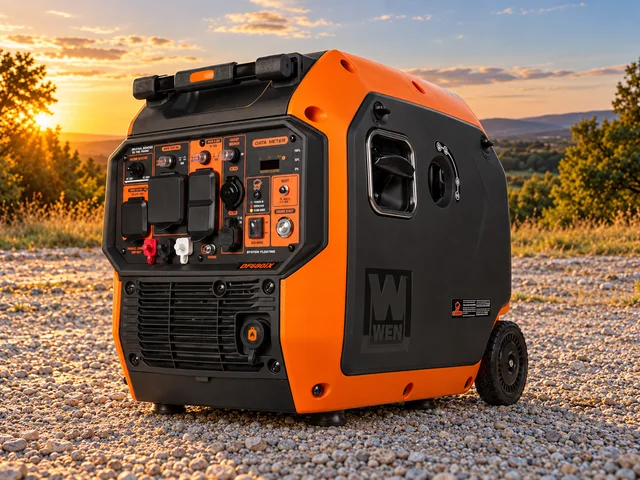
| Westinghouse iGen8200TFc | 6,600 / 8,200 W | 5,940 W | 5,280 W | Inverter 120/240V | Balanced Home Power |
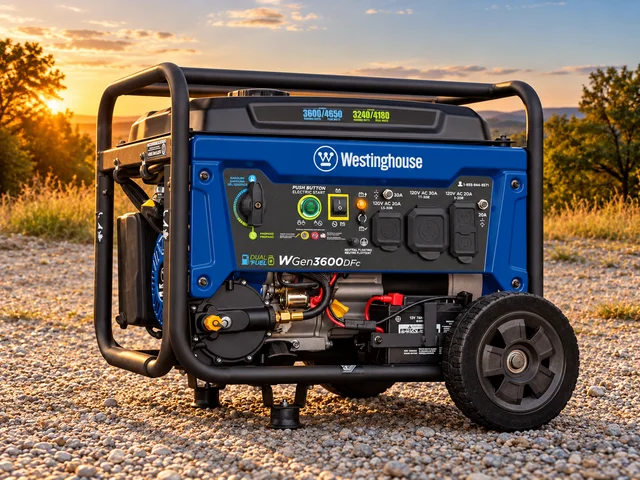
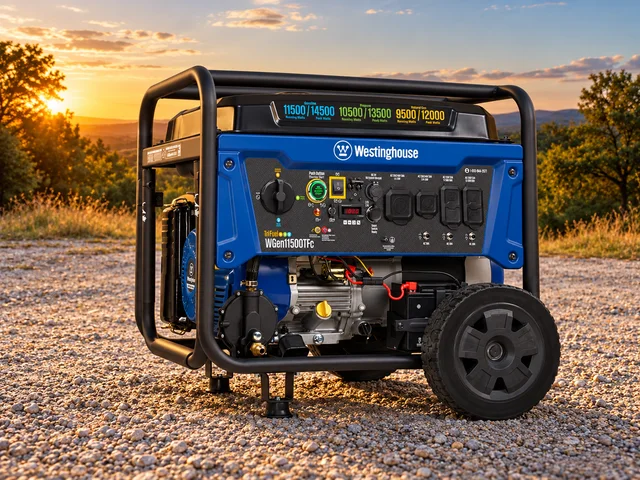
| Westinghouse WGen11500TFc | 11,500 / 14,500 W | 10,500 W | 9,500 W | Conventional 120/240V | Large Loads & Three Fuels |
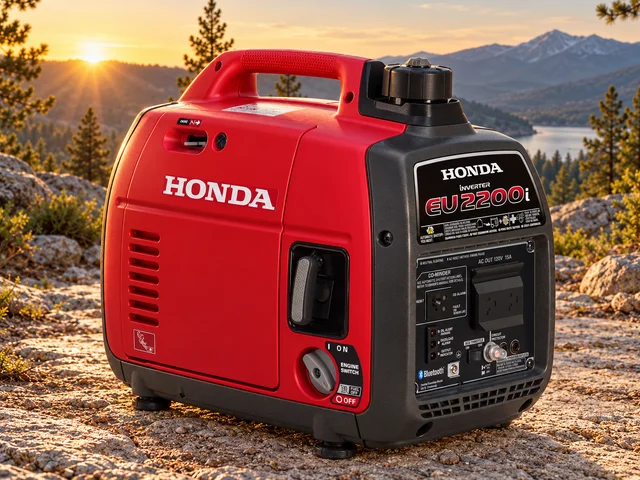
| Honda EU2200i | 1,800 / 2,200 W | Not supported | Not supported | Inverter 120V | Portable Essentials |
| WEN DF680iX | 5,100 / 6,800 W | 4,500 W | Not supported | Inverter 120/240V | Midrange Value |
Power PlanningChoose your appliances and use our calculator to estimate the running watts, starting watts, and voltage you need.
Read the guide →
Generator BasicsThe power that keeps an appliance running is different from the extra burst it needs to turn on.
Read the guide →
Fuel ChoicesCompare storage, refueling and the output available on each fuel.
Read the guide →
Power QualityLearn how the two generator types differ, and what to check for your appliances.
Read the guide →Worked examples, connection questions and realistic outage planning.
Appliance PlanningA refrigerator and sump pump both need extra power for a moment when their motors start. Adding only their running watts can make a generator look large enough when it is not. Check the running and starting watts for each appliance in its manual or with the manufacturer.
Read the article →
Extended OutagesA generator that runs for 12 hours while supplying a little power may need fuel much sooner when you plug in more appliances. Look for the fuel, tank size, and amount of power used alongside any runtime claim.
Read the article →
Buying DecisionsA small carryable generator and a larger wheeled generator may cost a similar amount but do very different jobs. First list what you want to plug in. Then think about who will move it and start it. Check Amazon for current prices.
Read the article →
Connection PlanningGenerators can have ordinary household outlets, RV outlets, and twist-lock outlets. Similar-looking connections may use different voltage or wiring. Check the labels and manual before buying a cord or adapter.
Read the article →